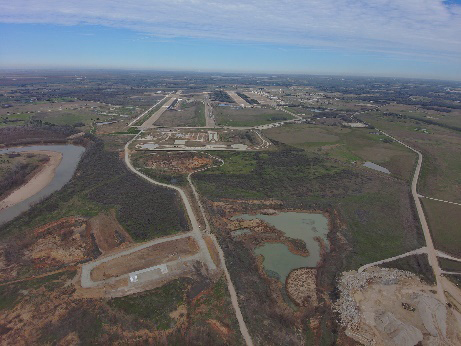
The Texas A&M–RELLIS Energy Proving Ground, in Bryan, Texas. (Photo: TAMUS)
Terrestrial Energy has signed ground lease and research agreements with the Texas A&M University System (TAMUS) to exclusively use about 77 acres of land at the Texas A&M–RELLIS campus, in Bryan, Texas, for development of the company’s Integral Molten Salt Reactor (IMSR). The agreements give Terrestrial Energy control of the site and provide support for completion of site characterization work, environmental evaluations, and testing and research activities related to the IMSR.
Representatives of Terrestrial Energy and Schneider Electric at the MOU signing ceremony. (Source: Terrestrial Energy)
Terrestrial Energy and Schneider Electric are teaming to deploy Terrestrial Energy's integral molten salt reactor (IMSR) to provide zero-emission power to industrial facilities and large data centers.
The companies signed a memorandum of understanding in April to jointly develop commercial opportunities with high-energy users looking for reliable, affordable, and zero-carbon baseload supply. Terrestrial Energy said that working with Schneider “offers solutions to the major energy challenges faced by data center operators and many heavy industries operating a wide range of industrial processes such as hydrogen, ammonia, aluminum, and steel production.”
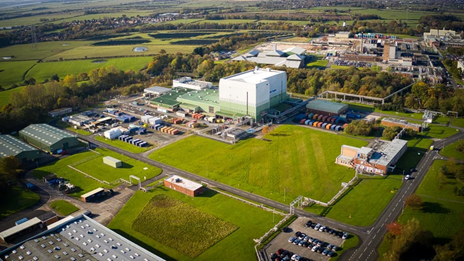
An aerial view of Westinghouse’s Springfields Fuel Fabrication Facility, near Preston, Lancashire, in northwestern England. (Photo: Westinghouse)
Through its now one-year-old Nuclear Fuel Fund, the U.K. government has awarded Westinghouse three grants to upgrade and expand the Springfields Fuel Fabrication Facility to support Britain’s next-generation nuclear reactors, the American-based company announced yesterday.
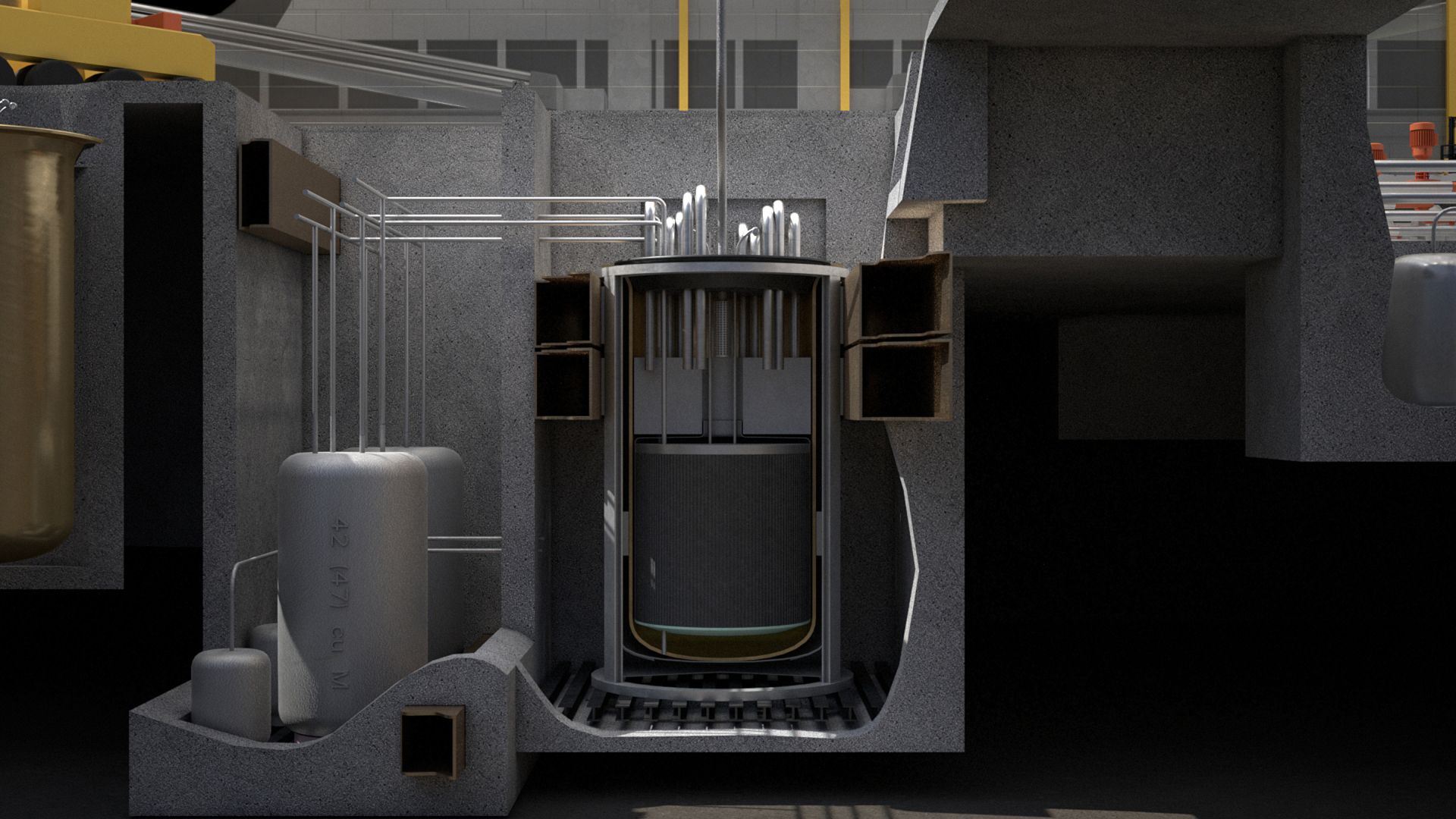
Artist’s rendering of the IMSR Core-Unit. (Credit: Terrestrial Energy)
In the ongoing quest to mitigate the effects of climate change, new technology can create new solutions. Even today, however, coal is still a main source of power around the globe, often out of necessity. Many coal-burning plants have already been converted for gas or biomass, but these measures alone are not nearly enough to meet net-zero carbon goals. There is a better solution, however: repowering coal plants with nuclear technology—specifically, Generation IV reactors.


 The Minerals Council of Australia (MCA) last week released